
The Philippine healthcare market has been growing steadily in recent years, and the development of public healthcare and investment into the sphere of the private industry are moving hand in hand. This has expanded oral healthcare services. The dental profession is attracting increased attention from people in terms of career and pay.
This paper offers a detailed review of the Philippine dental sector in 2026, with its market demand, salary structure, and career opportunities, giving a clear picture of how the field should be for practitioners and job seekers.
Is Dentistry in Demand in the Philippines for 2026?
The Philippines is projected to continue with the increase in demand for dental services up to 2026 due to urbanisation and the growing middle class. The market is moving towards less basic care and more of a combination of therapeutic care and cosmetic services. There is an increase in procedures such as orthodontics and teeth whitening.
Individual dental practices and networks are growing, and new technologies like digital dentistry, intraoral scanning, and clear aligners are advancing the quality of services.
Regional differences remain significant. Cities have more dentists and competition but offer high-end opportunities, while rural areas often lack basic services, and patients have limited financial capacity. Overall, the outlook is cautiously optimistic, depending on specialisation and location.
References
- Ken Research. (2023). Philippines dental services market outlook to 2026F. Ken Research. https://www.marketresearch.com/Ken-Research-v3771/Philippines-Dental-Services-Outlook-2026F-33949432
- OpenPR. (2023, February 15). Ken Research stated Philippines dental services market to reach USD 1,600 million by 2026. OpenPR. https://www.openpr.com/news/4357110/ken-research-stated-philippines-dental-services-market-to-reach
- TechSci Research. (2023, March 20). Philippines dental consumables market to witness significant growth by 2030. TechSci Research. https://www.techsciresearch.com/news/24811-philippines-dental-consumables-market.html
What is the Salary Grade of a Dentist in the Philippines?
Dentist Philippines salary levels depend on their work system. Different systems represent different salary models, job stability, and career growth potential.
The table below provides a summary of dentist salary grades Philippines:
| Salary Category | Typical Work Setting | Pay Structure | Income Stability | Growth Potential |
|---|---|---|---|---|
| 🏛️ Government Dentist | Public hospitals / Health departments | Fixed salary + government benefits | High | Moderate |
| 🦷 Employed Private Dentist | Private clinics / Dental chains | Base pay + performance incentives | Moderate | Moderate |
| 🧑⚕️ Specialist Dentist | Specialty centers / Advanced dental clinics | Procedure-based earnings | Moderate | High |
| 🏢 Private Practice Owner | Self-owned or partner clinics | Direct patient service income | Low to Moderate | Very High |
| 🎓 Academic Dentist | Universities / Teaching hospitals | Fixed salary + academic allowances | High | Low to Moderate |
The differences in dentist salaries in the Philippines are essentially a trade-off between “stability” and “income ceiling.” Different career paths lead to completely different income growth patterns.
We will now describe in detail the specific salary packages and responsibilities of different career paths.
Key Details for Dentist Salary Philippines
The following outlines the typical salary ranges and job responsibilities for various types of dentists in the Philippines.
Government Dentist Salary Philippines
- Entry-level Dentist I: around ₱70,000
- Mid-level: ₱90,000–₱126,000
- Senior/Chief: ₱140,000–₱178,000+

The dentists in the government departments, including the Department of Health or hospitals under the state, have a stable salary under the SSL-V (Salary Standardisation Law). Their duties involve taking care of people in clinics, organising community oral health initiatives, and also administering.
Such jobs usually come with 13-month remuneration, paid leave and GSIS and PhilHealth benefits. The jobs of government dentists offer a good career with high job security.
Specialist Dentist Salary Philippines
- Average salary: ₱120,000–₱300,000+

There are orthodontists, oral surgeons, endodontists, and periodontists who are specialist dentists. Upon completion of a dental degree, these professionals go through more years of further training and certification.
Their practice includes complicated procedures, like teeth alignment, dental implants, gum surgery and root canal treatments. A close relationship exists between income, skill level, and the number of patients.
Staff Dentist Salary Philippines
- Associate Dentist: ₱30,000–₱50,000+
- Clinic staff dentist: ₱40,000–₱70,000+
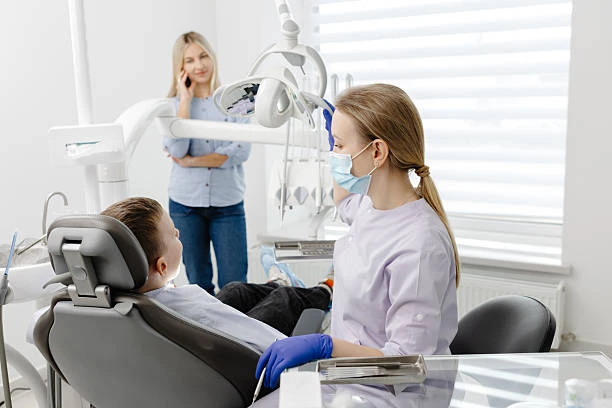
The routine check-ups, fillings, and simple treatments are administered by staff dentists working at private clinics or dental chains.
Payments typically consist of salary and performance incentives. Earnings are directly proportional to patient volume. There are also clinics that provide training and bonus systems.
Private Dentist Salary Philippines
- Small self-owned clinic: ₱80,000–₱150,000
- Established/large clinic: ₱150,000–₱300,000+

Dentists who work in private practice own or co-own their clinics. They are not only in charge of clinical care but also of equipment handling, marketing, and relations with patients.
Their income is not determined and can be greatly based on the number of patients, clinic size, type of service provided, and location. But these jobs are those with the best earning capacity.
Academic Dentist Salary Philippines
- Salary: ₱25,000–₱60,000 per month, depending on rank and teaching hours
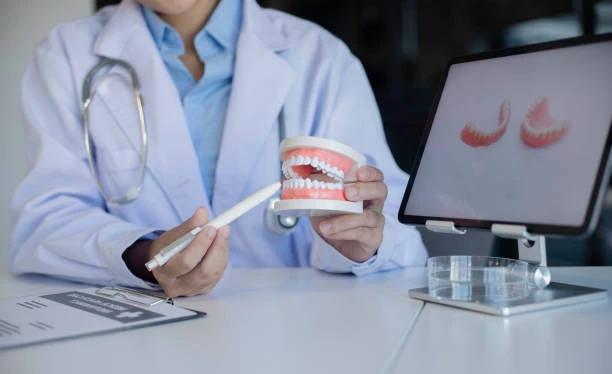
Academic dentists are employed as lecturers, professors or clinical instructors at dental schools or universities. They are engaged in teaching, curriculum development, research and supervising students.
Base salaries tend to be lower than those in full-time clinical jobs. But they can earn more through teaching allowances, research grants, and part-time work.
Factors Affecting Dentist Salary Grade Philippines
Dentist Philippines salary varies due to several factors:
- Location: Earnings in major cities like Manila and Cebu are higher than in provincial areas, though living and practice costs are also greater. Check the cost of living in the Philippines for more information.
- Experience and reputation: Years of practice and a strong professional reputation attract more patients and allow for premium fees.
- Skills and specialist certifications: Dentists with certifications in in-demand specialities such as orthodontics or implants have higher service value and market competitiveness.
- Practice model: Clinic owners assume risk but retain all profits, while employed dentists have stable but limited income.
- Patient volume and business model: Effective marketing, quality service, and patient loyalty drive consistent revenue growth.
Conclusion
The Filipino dental market has a bright future, which is backed up by population and economic preferences. The dentist salary Philippines differs from the career path. The key to success lies in the fact that professional goals should be defined clearly, skills should be improved constantly, and the location and practice model should be chosen strategically.
If you are looking to get new opportunities in the field of dentistry, then you should visit Bossjob. The site has a wide variety of dentist jobs and is capable of assisting you in locating jobs that suit your career map.
FAQs
Is dentistry a stressful job?
Yes, dentistry is a high-pressure profession. It involves long hours of concentrated clinical work, managing patient anxiety, and performing highly precise procedures. In addition, dentists often face business responsibilities such as clinic management, staffing, and financial operations.
What is the lowest salary for a dentist?
Entry-level roles, such as assistant dentists in small private clinics or part-time academic lecturers, may earn around ₱25,000 to ₱30,000 per month. Compensation at this level usually reflects limited experience and narrower clinical responsibilities.
What is the highest salary for a dentist?
Top-earning dentists are typically specialist practitioners or successful clinic owners. In metropolitan areas, especially in well-established private practices, monthly income can exceed ₱300,000 and may go higher depending on specialization, reputation, and patient volume.
What is the average dentist salary Philippines?
While earnings vary widely, a full-time clinical dentist in the Philippines generally earns between ₱50,000 and ₱150,000 per month. Income depends on factors such as specialization, location, years of experience, and whether the dentist works in private practice or institutional settings.
How many years before you could be a dentist?
Becoming a dentist in the Philippines typically requires about nine years of education and training. This includes four years of pre-dental undergraduate studies, four years in a Doctor of Dental Medicine (DMD) program, and at least one year of clinical internship before licensure.
What is the hardest part of being a dentist?
Major challenges include managing diverse patient fears and expectations, as well as the physical and mental strain of performing delicate, irreversible procedures in small operating fields. Maintaining consistent precision while under time and performance pressure is also demanding.


