
A formal dress code for women is not only an expression of etiquette, but also a valuable means of expression of women’s confidence and professionalism. In this article, the definition of formal attire among women will be presented in a structured manner, the concept of dressing correctly in various situations will be discussed, and the most common mistakes will be addressed. You will cope with any formal environment with ease.
What is Formal Attire for Women?
A woman’s dress code is a dress code that is used in particular formal environments and, as such, has an impression of dignity and respect to social etiquette. It transcends the isms of casual wardrobe and is meant to convey the messages of professionalism, grace and respect in a visual way.

The main elements of women’s formal wear are usually the following:
- Dresses and gowns: It is traditional formal wear. It is normally knee-length or floor-length, and its tailoring is smooth and refined. Some of them are beautiful evening gowns and tight little black dresses.
- Suits: Business formal or office wear can be in the form of suits; either a skirt or a pantsuit. Well-built shoulders, definition of the waist, and good-quality clothes play the role of supporting the image of a professional.
- Shoes: The most popular ones are high heels, low heels, and mid heel pumps. It is not to wear sneakers, sandals, or overly casual styles.
- Accessories: Fine jewellery, clutch bags, and silk scarves can be used as accessories. Adhere to the rule of having minimal and sophisticated accessories.
- Makeup and hair: The makeup ought to be hygienic, well-defined with natural features, and the hair neat and tidy. Formal occasions do not require too dramatic makeup or overdone hairstyles.
Check formal attire to read more.
Formal vs Semi Formal Attire for Women
In actual dress codes, Formal and Semi-Formal are often confused. The following is a systematic comparison:
| Category | Formal Attire | Semi Formal Attire |
| Occasion Level 🎯 | High-level events, galas, formal weddings | Business dinners, cocktail parties |
| Dress Length 👗 | Floor-length or knee-length elegant dresses | Knee-length dresses or dressy separates |
| Suit Option 🧥 | Structured tailored suits | Less structured suits or dressy blazers |
| Fabric 🧵 | Silk, satin, wool, chiffon | Crepe, cotton blends, light wool |
| Accessories 👜 | Refined and minimal | Slightly more expressive |
| Makeup 💄 | Polished and classic | Softer or trend-driven |
In short, formal attire for women emphasises structure, sophistication, and restraint. Semi-formal for women allows more flexibility while maintaining elegance.
Read more ⬇️
Formal Attire vs Semi-Formal Attire (with Interview Examples)
Do and Don’t for Women’s Formal Wear
Mastering the basic rules helps you avoid styling mistakes and achieve a polished, sophisticated look with ease.
Do
- Choose well-tailored clothing that fits properly, avoiding pieces that are too tight or too loose.
- Pay attention to fabric quality, such as silk, wool, satin, and other premium materials.
- Keep accessories simple and elegant, avoiding excessive layering.
- Maintain clean and natural makeup that highlights a fresh and confident appearance.
Don’t
- Avoid overly revealing or flashy designs.
- Do not wear sneakers or obviously casual footwear.
- Avoid exaggerated jewellery or heavy makeup.
- Do not overlook garment cleanliness and proper pressing.
Formal Dress Code for Women on Different Occasions
Different occasions require different interpretations of formal attire. Adjust your outfit according to the nature of the event, the time, and the location.
Formal Attire for Women Office
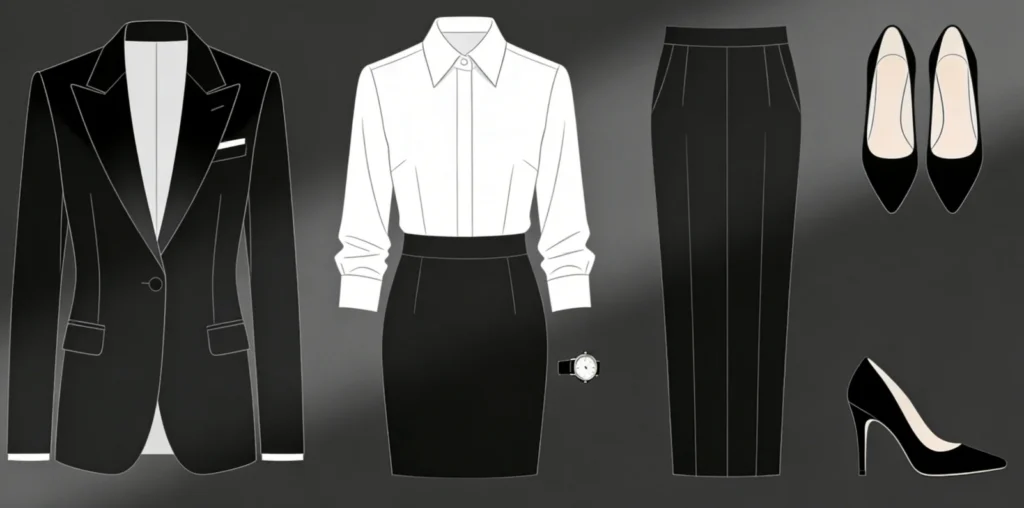
Formal wear in the work environment is meant to convey professionalism and authority. An individual suit or a blouse with high-waist trousers will be suggested.
Choose dark or neutral tones. Minimal accessories include a wrist watch or small stud earrings. Choose low or mid heel pumps with a maximum of three to five centimetres.
Formal Attire for Women Interview

The essence of interview clothing is that it generates a consistent and dependable initial impression. This is a tailored blazer and a well-fitting, simple dress. Navy, deep grey, or black would be advisable, and bright colours should not be used. The accessories must be limited and elegant. It is better to make-up is natural and perfume is not overwhelming.
Check job interview attire to dress more appropriately.
Formal Attire for Women Wedding
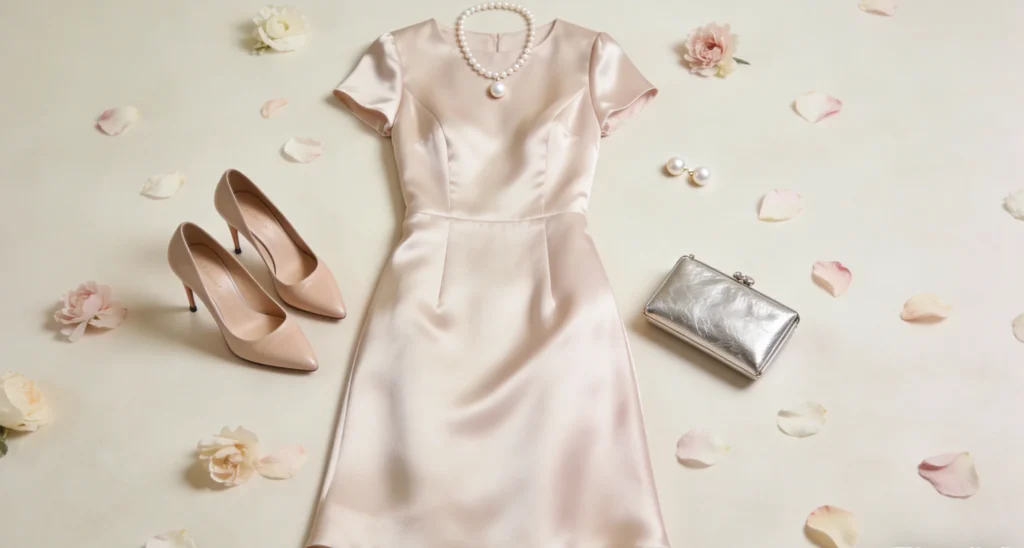
The directive in case one is attending a wedding is to be classy and decent without showing too much attention to the bride. Select a knee-length or full-length dress. Do not use white or a colour that closely resembles the bride’s gown. Decent colours or faint flowered designs are appropriate. A pearl necklace, a small clutch and fine strap heels are some of the accessories that make a person elegant.
Formal Attire for Women Party
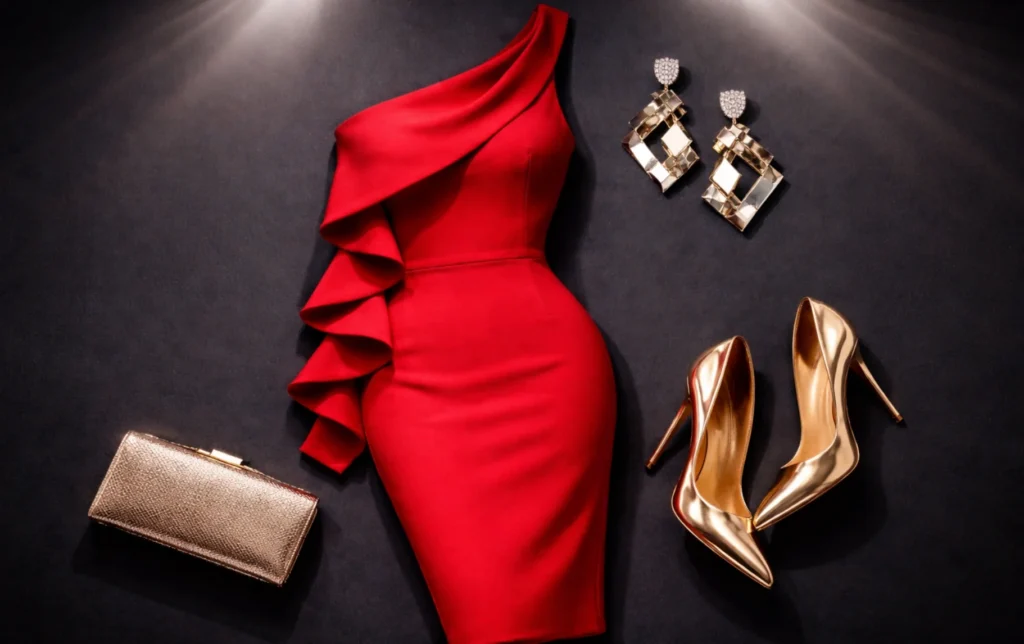
In the case of parties, one can use more fashion and personal style in formal clothes. A bright colored dress can be picked depending on the theme, and it can draw some unique design elements, which can be combined with metallic heels or a clutch. Makeup can be slightly more defined, such as a bold red lip or a smoky eye look.
Read more ⬇️
Smart Casual Attire for Women: Outfit in the Philippines
Conclusion
Formal dress is not just a dress code; it is a social expression. Proper formal attire for women enhances your professional impression, confidence and respect for the occasion. With knowledge of the matching principle of the right outfit on the right occasion, it is possible to be elegant and professional at the same time, both inside and outside.
FAQs
How do I know if my dress is formal?
If the dress has structured tailoring, refined fabric, appropriate length, and minimal embellishment suitable for high-level occasions, it qualifies as formal.
What colors are formal attire?
Neutral tones such as black, navy, grey, beige, and deep jewel tones are widely recognised as formal colours.
What not to wear to a formal event?
Avoid overly revealing outfits, casual footwear like sneakers, heavy accessories, and wrinkled or poorly fitted garments.


