
Ever wonder if your outfit is saying the right things in a business setting? In the Philippines, dressing for the office is more than just looking good; it’s about showing respect and confidence in your professional life. It’s an art of blending style with the local climate and workplace culture.
This guide will help you decode the nuances and tips of corporate attire for women, ensuring you look and feel your best at work.
Why Dressing Right Matters in the Workplace
Dressing appropriately isn’t just about following rules; it’s about making a positive impression. A well-put-together best corporate attire for women dress speaks volumes about your attention to detail and commitment to your role. It’s more than just clothes; it’s a tool for success.
- Projects as image of capability: When you dress the part, you project an image of capability and preparedness.
- Boosts confidence: Dressing well can boost your confidence, helping you feel empowered to take on challenges.
- Shows respect: It shows respect for your work, your colleagues, and the company.
- Creates a strong first impression: A polished look can help you stand out and create a lasting first impression.
Types of Corporate Attire for Women
Different workplaces have varying expectations for the level of formality in women’s professional attire. Understanding common types of corporate attire helps women maintain a polished and appropriate image across different work scenarios.
Business Formal Corporate Attire
Suitable for highly formal settings such as finance, law, senior management roles, and official business meetings. This style emphasizes authority and professionalism, with a strict and restrained overall look.
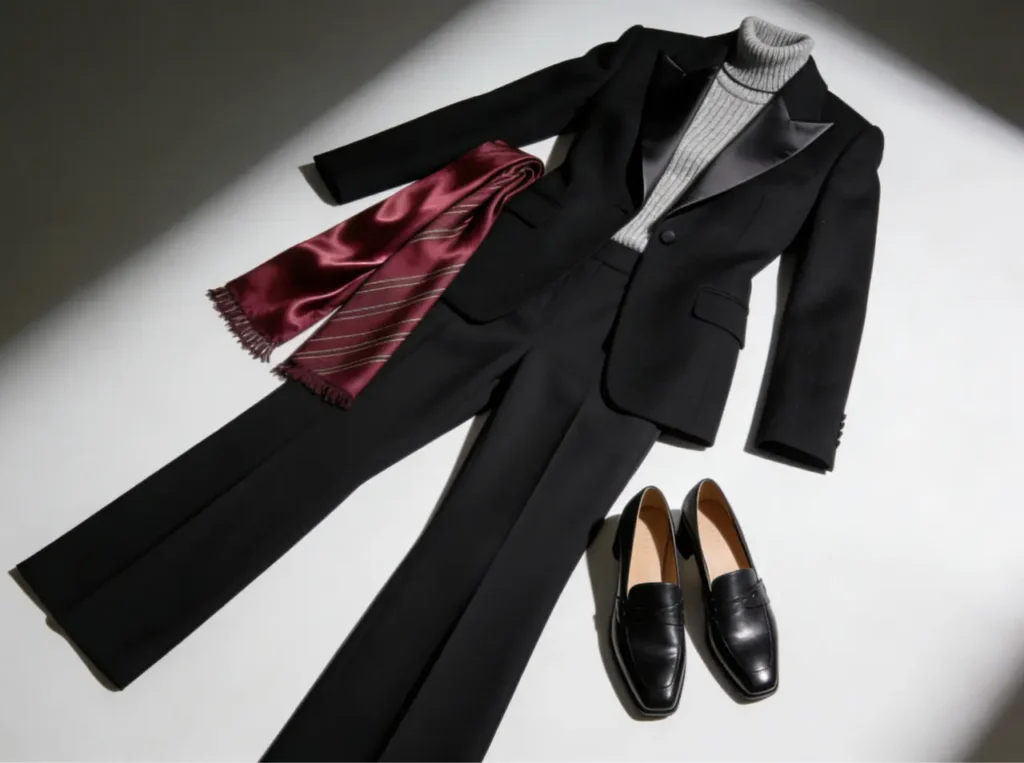
Corporate attire for women styling suggestions:
- Full suit (blazer with tailored trousers or a knee-length skirt)
- Neutral colors such as black, navy, or dark gray
- Simple blouse or silk top
- Closed-toe heels or low-heeled leather shoes
- Subtle accessories, such as small earrings, minimalist necklaces, or silk scarves
- Natural makeup, with optional emphasis on eyes or lips
Business Professional (Semi-Formal) Corporate Attire
Appropriate for daily office work, client meetings, and external communications in most companies. Semi formal attire for women maintains a professional appearance while allowing comfort and feminine elegance.
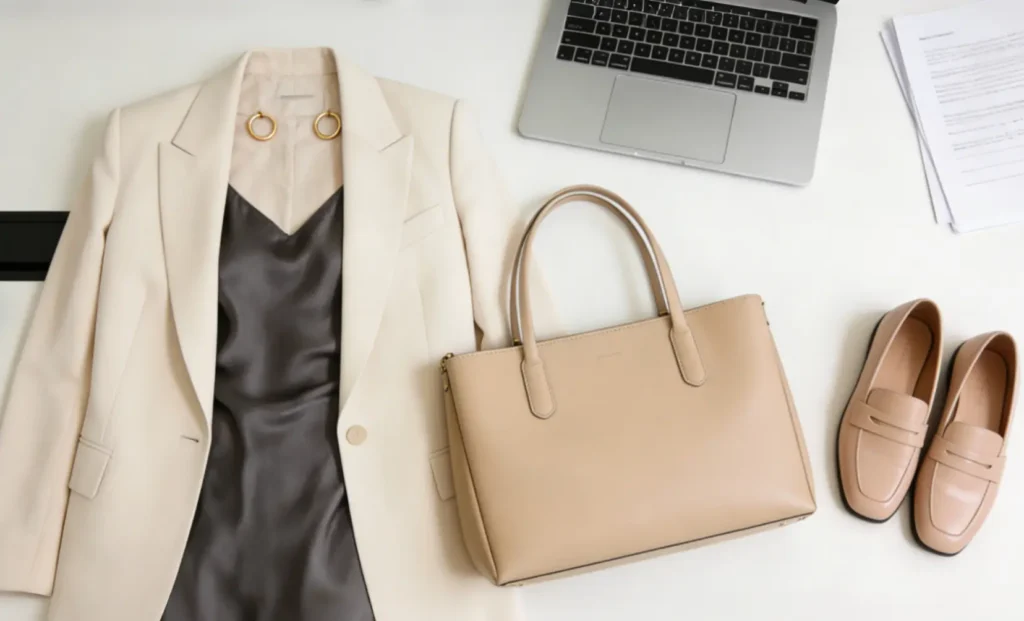
Corporate attire for women dress styling suggestions:
- Single blazer paired with a dress or tailored trousers
- Blouses, knit tops, or chiffon tops
- Neutral or soft tones (beige, light gray, navy)
- Low heels, loafers, or elegant flats
- Simple earrings, bracelets, or a medium-sized tote bag to add dimension
- Lightweight base makeup for a fresh and polished look
Business Casual Corporate Attire
Common in tech companies, creative industries, and more relaxed office environments. The overall style focuses on comfort and neatness, avoiding extremes of formality or casualness.
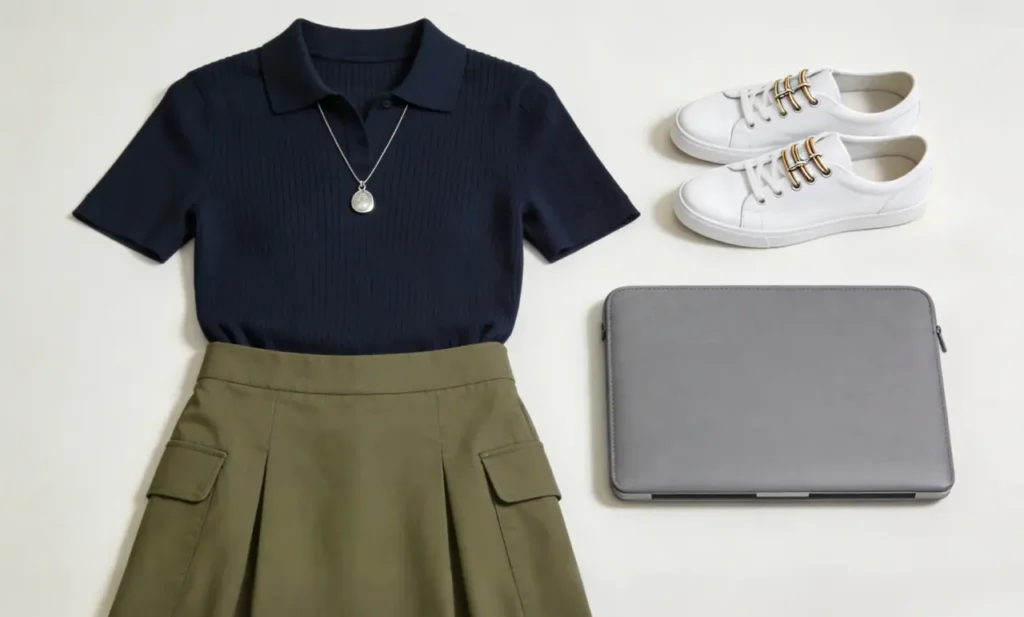
Corporate attire for women dress styling suggestions:
- Blouses or tops without a blazer
- Knee-length skirts, tailored pants, or simple dresses
- Loafers, low heels, or clean flats
- Minimal accessories with more flexible color choices
Smart Casual Corporate Attire
Smart causal attire for women is suitable for startups, remote work, or creative team environments. This style highlights personal expression and fashion sense while maintaining a clean, professional appearance.
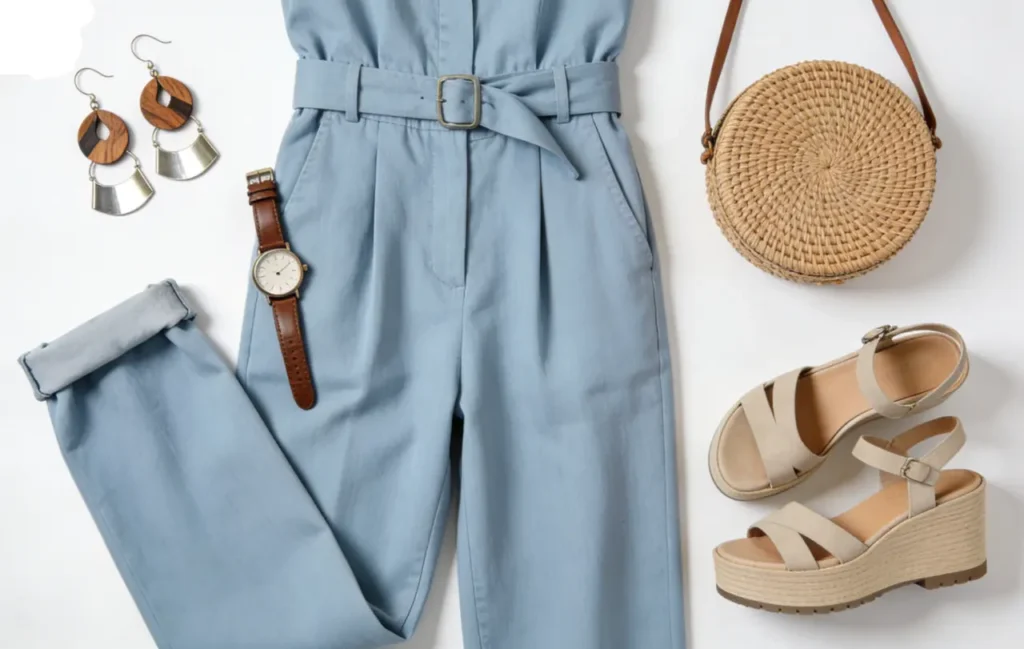
Corporate attire for women styling suggestions:
- Statement tops paired with tailored trousers or skirts
- Dresses with flats or low heels
- Lightweight knitwear or simple outer layers
- Statement earrings, layered necklaces, or distinctive handbags to showcase personal style
- Makeup can include subtle color accents, while avoiding overly bold looks
🌟 To learn more information about corporate attire
➡️ Check out Corporate Attire Guide for Job Seekers in the Philippines
Essential Pieces of Corporate Attire for Women
Building a versatile corporate wardrobe starts with a few key pieces. These staples can be mixed and matched to create a variety of looks.
- Blouses and Tops: Blouses in neutral or pastel colors are standard, but subtle prints can also be acceptable.
- Bottoms: Pencil skirts, A-line skirts, and tailored slacks are great choices. Pants are a practical option, especially for daily commutes in the city.
- Blazers: A blazer can instantly elevate your look, adding a touch of sophistication. You can choose from classic black or navy, or experiment with more vibrant colors to show your personality.
- Dresses: A simple, well-fitted dress is a classic and comfortable option. Look for elegant dresses or shirt dresses that are versatile and timeless.
- Footwear: Closed-toe shoes, flats, loafers, or low-to-medium heels are ideal for a professional setting.
- Bags: Structured handbags or medium-sized tote bags are ideal for corporate settings. Choose neutral colors and clean designs that are both professional and practical for daily use.
- Jewelry: Minimal jewelry, such as small earrings, simple necklaces, or classic watches helps complete a polished look without appearing distracting.
How to Choose Best Philippine Corporate Attire for Women
The tropical climate in the Philippines means you need to prioritize comfort and breathability without sacrificing professionalism.
- Fabric Choices: Opt for lightweight, breathable fabrics like cotton, linen, or their blends. These fabrics help you stay comfortable throughout the day.
- Industry Advice: While a law or banking firm might require formal business attire, a BPO company or a creative agency may allow for business casual outfits like a blouse with stylish pants or a bright skirt.
- Practicality: Wide-leg trousers and culottes are trendy and comfortable options that work well in a warm climate. They are easy to style and provide more movement.
In addition to everyday office attire, clothing for job interviews is equally important. Always lean toward professional and polished outfits that reflect the company’s culture and demonstrate seriousness. Avoid overly casual clothing, flashy prints, or revealing styles that may distract you from your professional image.
Complete Your Corporate Look and Explore Jobs on bossJob
A professional profile photo is often the first step in making a strong impression on resumes and job platforms. bossJob allows you to create AI-powered corporate headshots, helping you showcase a polished and professional image effortlessly.

Beyond generating your professional photo, you can also explore and directly apply to popular job openings, making the entire job-seeking process faster and more efficient.
FAQs About Corporate Attire for Women in the Philippines
What common mistakes to avoid in corporate attire for women?
To maintain the best corporate attire for women’s dress, avoid these common mistakes: wearing ill-fitting or wrinkled clothes, over-accessorizing, and choosing fabrics that are too casual or reveal too much. Your clothes should look neat and well-maintained.
Do I need to wear high heels?
No, you are not required to wear high heels. The Department of Labor and Employment (DOLE) in the Philippines has issued an order that bans employers from forcing female employees to wear high heels at work. Practical and comfortable footwear, such as flats or low, wide-based heels no higher than one inch, are perfectly acceptable.
Can I wear pants instead of a skirt?
Yes, pants are a great alternative to skirts. Tailored trousers, slacks, or even clean, dark-colored jeans (if the company culture allows) can be part of a professional outfit. This is a particularly practical choice for commuting in the Philippines.
Does dress code improve performance?
Professional corporate attire for women dress code can positively influence both personal confidence and how colleagues perceive you in the workplace. Dressing appropriately helps create a focused environment, encourages discipline, and can indirectly enhance overall performance.
What are the common mistakes when choosing business attire?
Common mistakes include wearing outfits that are too casual, ill-fitting, or overly flashy for the office environment. Other errors are neglecting proper footwear, inappropriate accessories, or ignoring industry-specific dress expectations.s a particularly practical choice for commuting in the Philippines.


